
The terms Artificial Intelligence, Machine Learning and Deep Learning are often used interchangeably in corporate boardrooms. However, for the modern business leader, the value lies not in the definitions but in the specific applications that drive operational efficiency and revenue growth. In 2026, these technologies have matured from experimental pilots into essential components of the corporate toolkit.
To leverage these skills effectively, organisations must understand where each fits within their existing workflows. By identifying the specific business problems each technology is best suited to solve, companies can move from "AI hype" to genuine digital transformation.
Artificial Intelligence for Process Automation
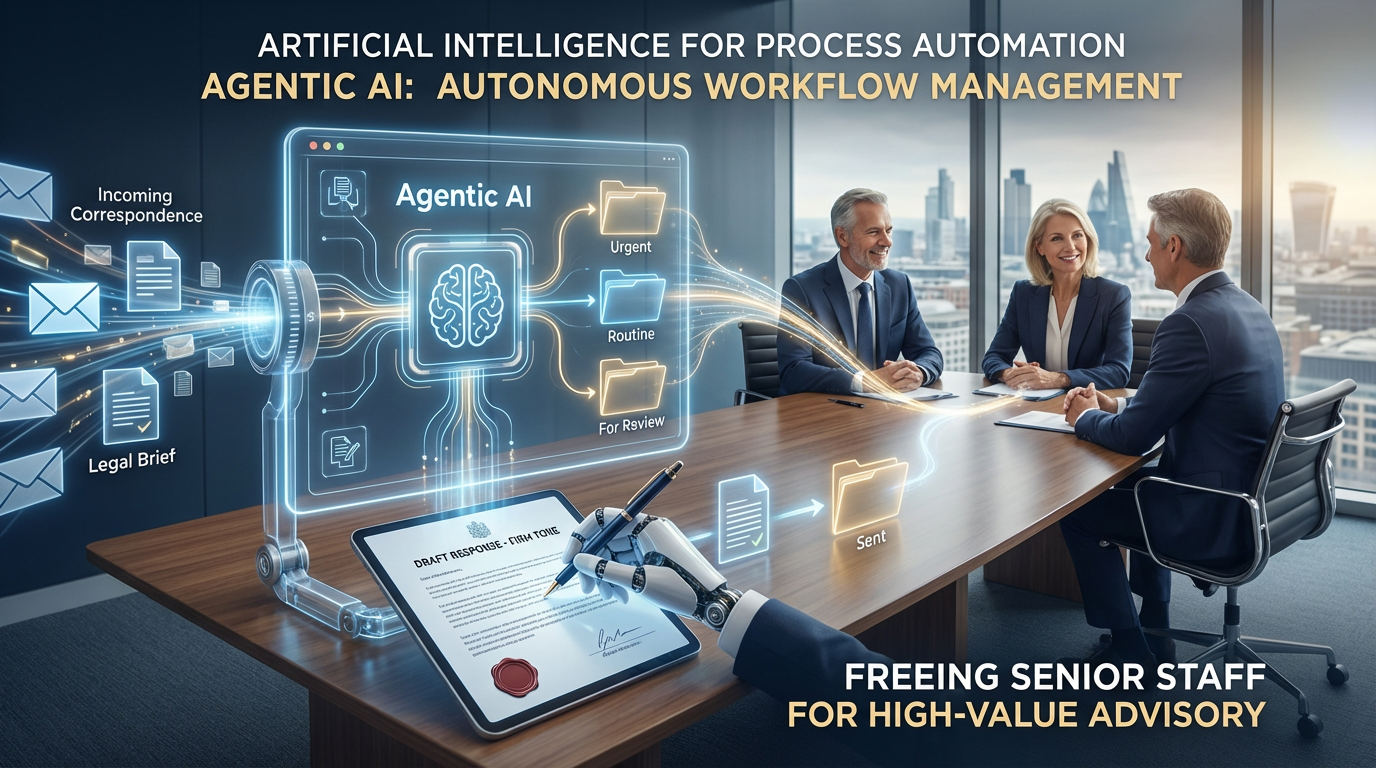
Artificial Intelligence is the broad umbrella that encompasses any system capable of performing tasks that typically require human intelligence. In a business context today, this most commonly manifests as Agentic AI.
Unlike simple chatbots, these intelligent agents can manage entire administrative workflows. For example, a legal firm in London can deploy an AI agent to monitor incoming correspondence, categorise documents based on urgency and draft initial responses using the firm’s specific tone of voice. This is not just about generating text. It is about autonomous execution that frees up senior staff for high-value advisory work.
Machine Learning for Predictive Strategy
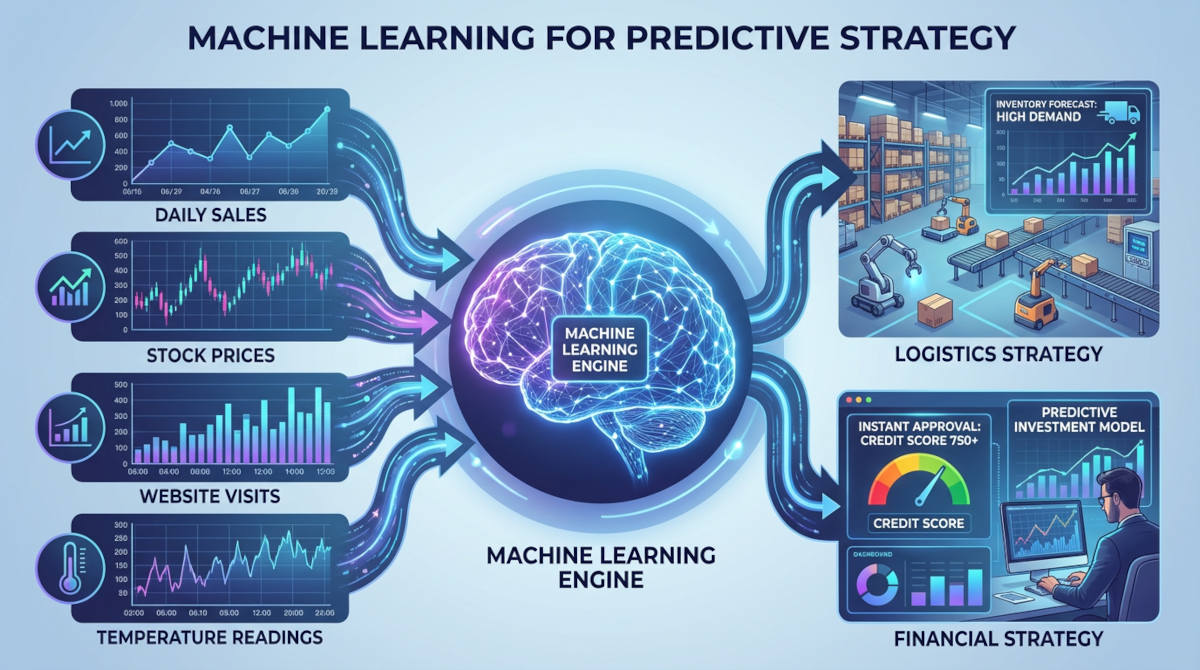
Machine Learning is a subset of AI that focuses on using data and algorithms to imitate the way humans learn, gradually improving its accuracy. This is the "workhorse" of modern business strategy, particularly in finance and logistics.
A primary application today is Predictive Analytics. Retailers use Machine Learning to analyse historical sales data alongside external factors such as weather patterns and economic shifts to forecast inventory requirements. By predicting demand with high precision, these companies reduce waste and ensure that capital is not tied up in surplus stock. In the financial sector, these same skills are used for real-time credit scoring, allowing lenders to make instant, data-backed decisions on loan applications.
Deep Learning for Complex Pattern Recognition
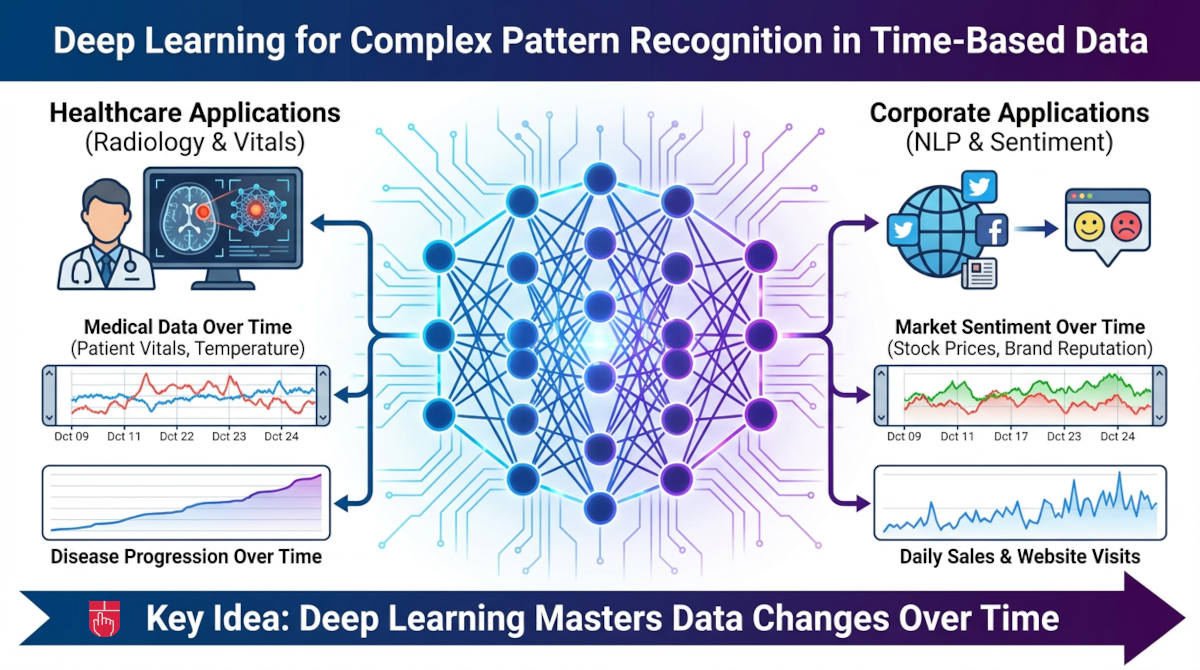
Deep Learning is a more advanced evolution of Machine Learning that uses neural networks with many layers to process complex data such as images, speech and unstructured text. While it requires significant computing power, its applications in industry are transformative.
In the healthcare sector, Deep Learning algorithms are currently used to assist radiologists by identifying microscopic anomalies in medical imaging that the human eye might overlook. In the corporate world, this technology powers advanced Natural Language Processing. Multinational corporations use Deep Learning to "read" and sentiment-analyse thousands of global news feeds or customer reviews in real time, providing an instant pulse on brand reputation and market sentiment across different languages and regions.
Implementing These Skills Today
For a business to succeed with these technologies, the focus must be on integration rather than isolation. A successful strategy involves three practical steps:
- Identifying High-Friction Tasks: Focus on areas where human staff are bogged down by repetitive cognitive labour.
- Consolidating Data Sources: Ensure that your AI models have access to a unified, clean data warehouse to avoid the "garbage in, garbage out" trap.
- Investing in Technical Literacy: While not every manager needs to write Python code, every leader must understand the capabilities and limitations of these tools to manage them effectively.
Conclusion
The transition from traditional operations to an AI-driven enterprise is an incremental process. By applying AI for automation, Machine Learning for prediction and Deep Learning for complex recognition, businesses can build a multi-layered defence against inefficiency. The winners in today's market are those who treat these technologies not as futuristic concepts, but as practical tools for solving the challenges of the present.